
Moving to Southern Italy in 2026: What Life Is Really Like (And Who It’s For)
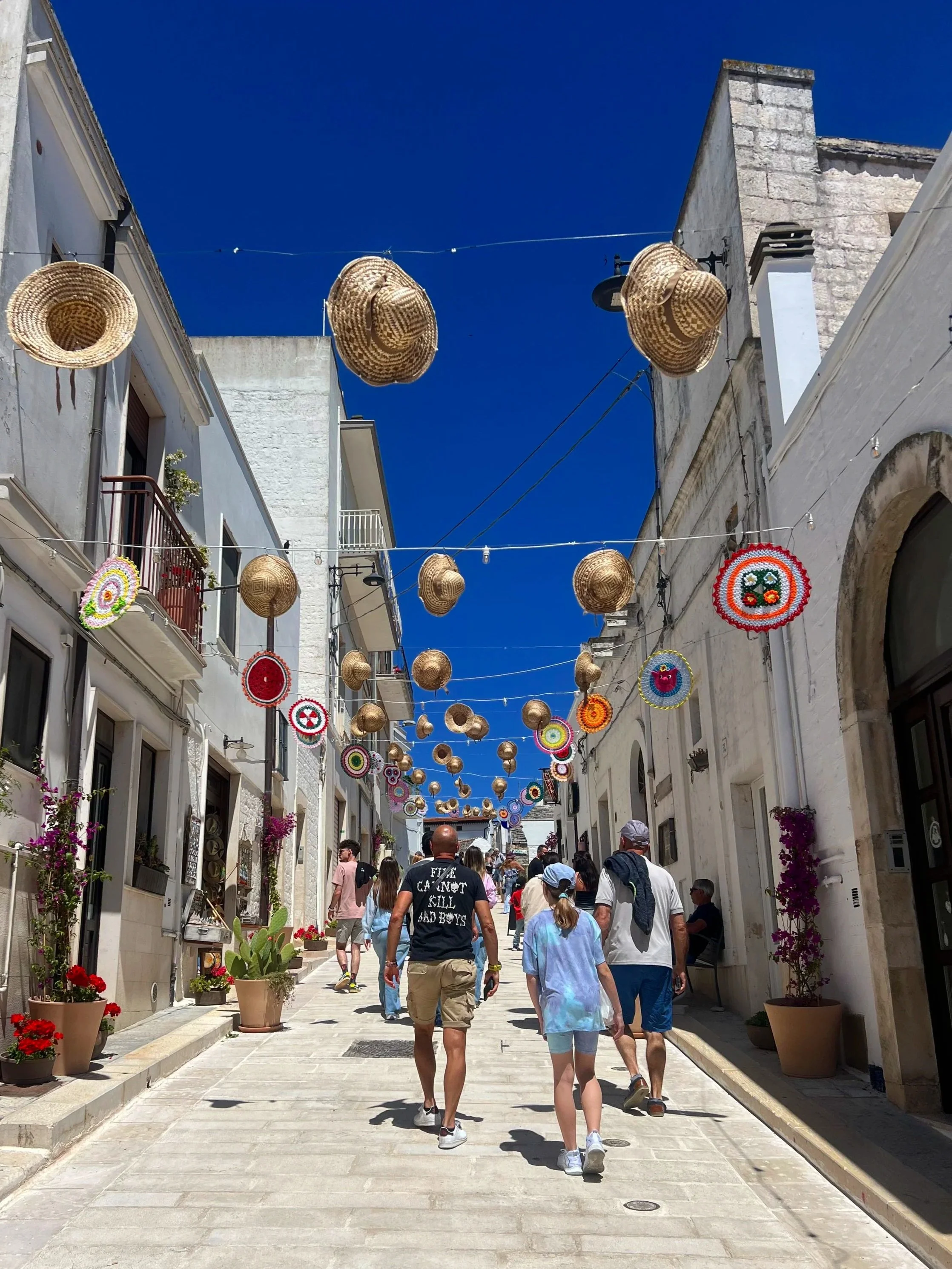
Why So Many People Want to Move to Southern Italy
For years, southern Italy was treated as a footnote.
Beautiful, yes, but impractical. Too slow. Too complicated. Somewhere you visited, not somewhere you built a life.
That story is changing.
In 2026, more people are seriously considering a move to southern Italy not as a compromise, but as a deliberate choice. Not because it’s cheaper Italy, or “authentic Italy,” or an escape fantasy, but because the way life works here suits how many people actually want to live.
This guide isn’t about visas or paperwork. It’s about understanding what life in southern Italy really feels like, how it differs from the north, and whether it aligns with the life you’re trying to build.
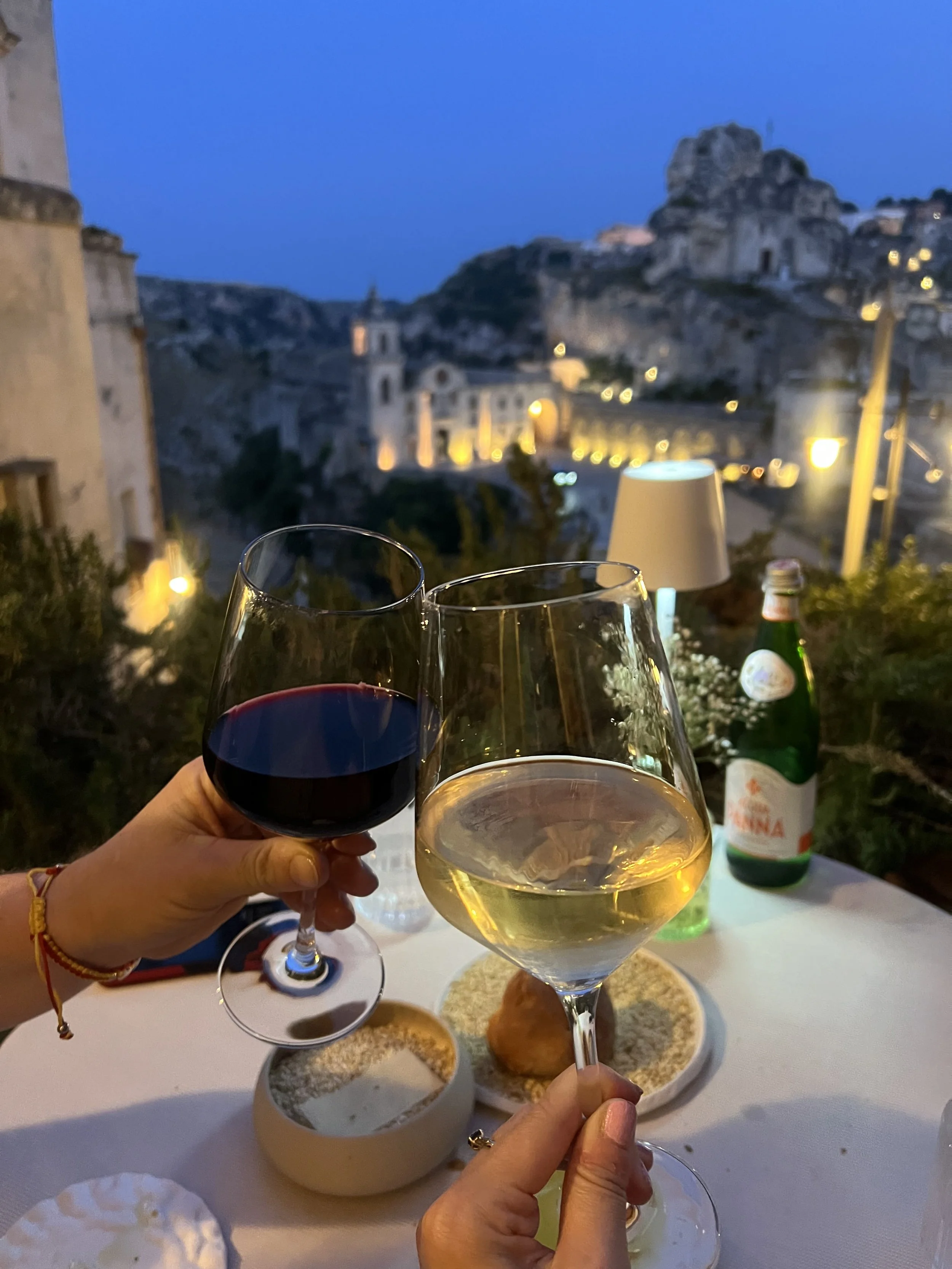
Dinner in the most stunning area, Matera in Basilicata.
What People Mean When They Say “Southern Italy”
Southern Italy isn’t one place, and that’s where many people get stuck.
It generally includes regions like:
Puglia
Sicily
Calabria
Basilicata
Campania
Parts of Abruzzo and Molise
Each has its own rhythm, culture and challenges. What they share is a different relationship to time, money and daily life than northern and central Italy. This matters, because choosing the south isn’t just about geography — it’s about opting into a different system of living.
The Biggest Difference: Pace (And Not in a Romantic Way)
People love to describe southern Italy as “slow,” but that word doesn’t quite land.
Life here isn’t slow for the sake of it. It’s less compressed.
Days are structured around real life instead of productivity. Shops close after lunch. Lunch matters. Evenings go on into the night - especially in summer.
Some things move quickly: relationships, social life, community… while other things take time. The adjustment comes from letting go of the expectation that everything should move at the same speed – or operate in the same way as you’re used to back home.
For people coming from high-output cultures and big cities, this can feel uncomfortable at first. Then, quietly, it becomes the reason they stay.
Cost of Living (But That’s Not the Whole Story)
Yes, southern Italy is more affordable than Milan, Florence or Rome. But affordability isn’t the real advantage.
What surprises most people is predictability.
Rent stabilises once you’re on a proper lease. Groceries are mostly consistent. Eating out stops feeling like a financial decision that needs justification. Life costs less because it’s structured differently, not because standards are lower.
Southern Italy works particularly well for people who:
earn remotely
live on pensions or savings
are restructuring their lives rather than scaling them
If you’re expecting luxury on a budget, you’ll be disappointed, but if you’re looking for a comfortable, human-scale life, it makes sense very quickly.
Daily Life Happens at Street Level
One of the most underestimated aspects of southern Italy is how walkable real life is. Even in small cities, most daily needs sit within a compact radius:
coffee
pharmacy
produce markets
bakeries
neighbourhood bars
You begin to recognise people. Faces become familiar. Life feels layered instead of segmented. For people used to driving everywhere or living inside schedules, this can feel unexpectedly grounding.
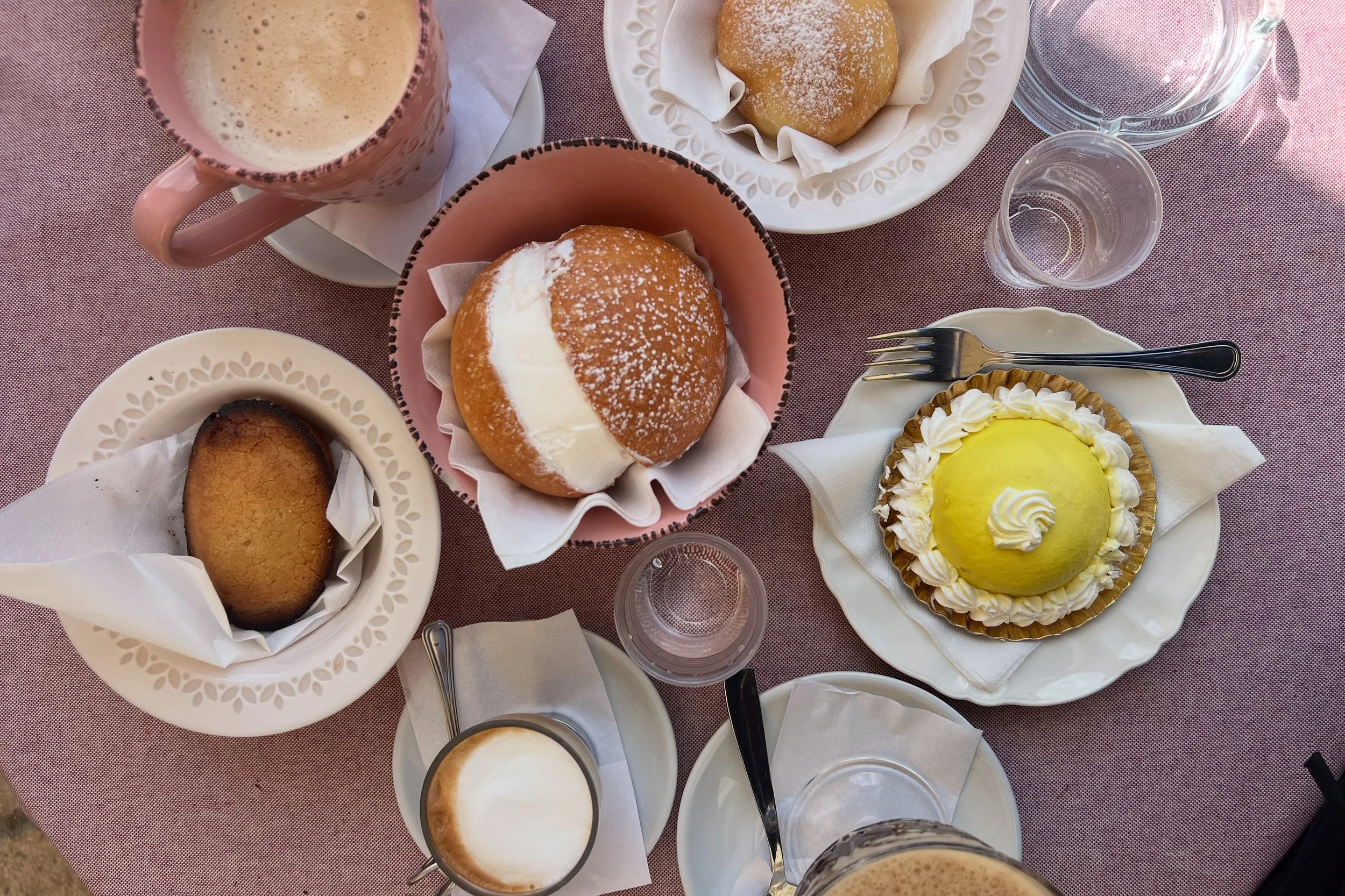
The most delicious pastries at Pinti Pasticceria in Lecce
Food Isn’t a Feature — It’s Infrastructure
Food in southern Italy isn’t something you plan around. It’s something life is organised through.
Markets dictate what you eat. If something isn’t in season, you’ll struggle to find it. Meals slow the day down instead of interrupting it. There’s also always time for a caffe and pastry treat at the bar!
People often find they:
cook more
eat better
waste less
feel more connected to daily routines
It’s not performative. It’s practical. And over time, it quietly reshapes how you relate to your days.
Community Is Built In (Even If You Arrive Alone)
Southern Italy still functions socially in ways that many places don’t anymore. Multi-generational families are still visible. Children are part of public life. Neighbours speak to each other. People notice when you’re missing. If you know someone who knows someone, they’ll treat you like family.
Of course, this doesn’t mean instant belonging, you still have to show up and maybe even try your Italian on them, but the structure for connection exists.
For people moving solo, this often becomes one of the most meaningful aspects of the transition.
Northern vs Southern Italy
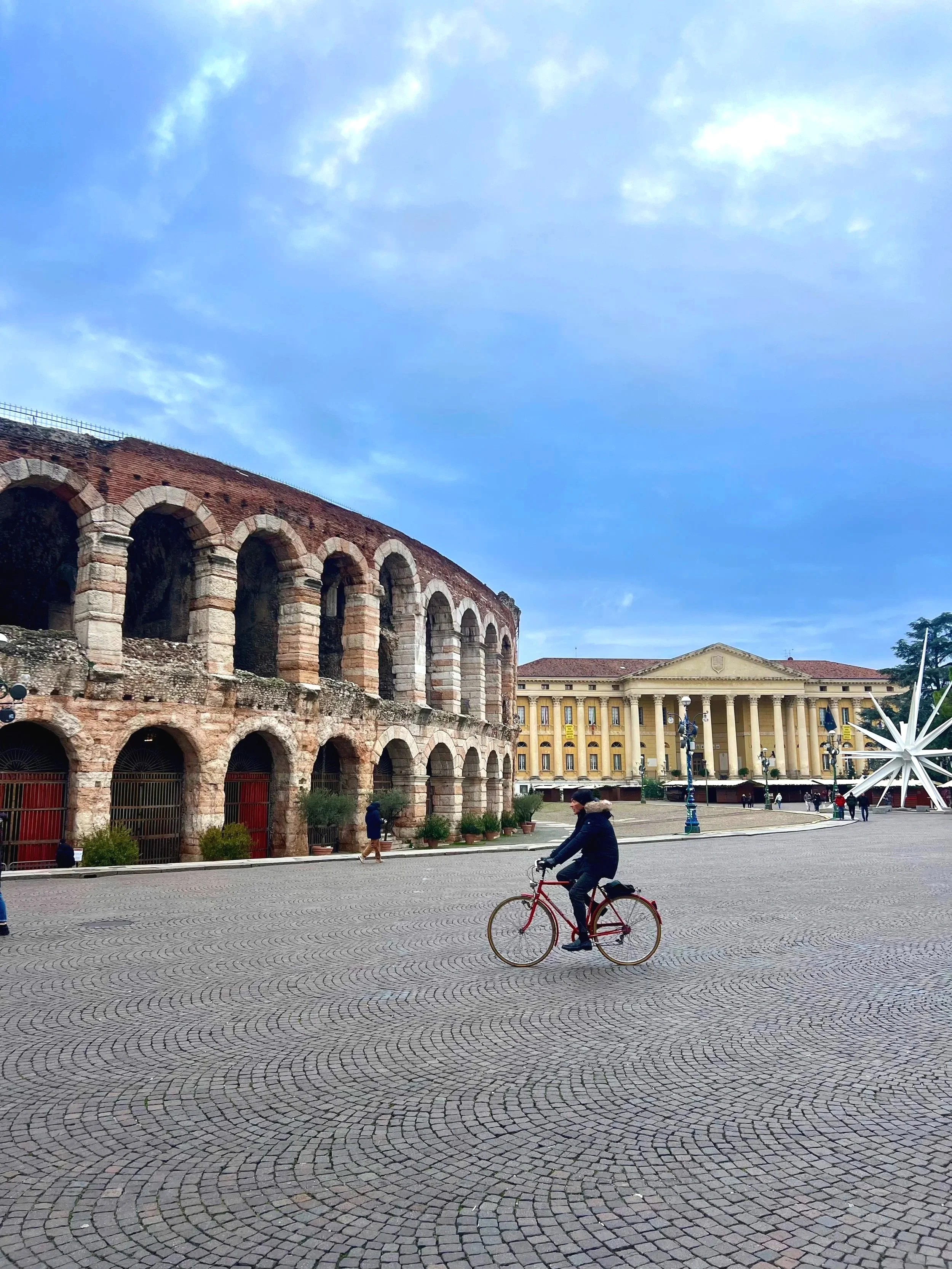
Verona, in the North of Italy
Many people don’t choose southern Italy because they dislike the north.
They choose it because:
they don’t want life organised around productivity
they’re not chasing status or polish
they value rhythm over efficiency
Northern Italy rewards ambition. Southern Italy rewards presence.
Neither is better. But they suit very different phases of life and wants and needs.
If you’re deciding between the two, this comparison matters more than most practical considerations.
Who Southern Italy Works Best For
Southern Italy tends to suit people who:
are relocating for lifestyle, not career acceleration
work remotely or are financially independent
value community and routine over convenience
are willing to adapt rather than optimise
It can be challenging for people who need:
rigid timelines
constant structure
frictionless systems
This isn’t a judgement — it’s alignment. This is also why many people use southern Italy as a lifestyle reset rather than a career move.
The Practical Side (Briefly).
The legal pathway matters, but it looks different depending on your passport, income and goals.
Australians, Americans, UK citizens and EU nationals all follow different processes, with different timelines and requirements. Rather than repeating that information here, it’s covered in detail in this guide: How to Move to Italy: Visas, Timelines & Legal Pathways
Why Many People End Up in Puglia (And Salento)
Puglia often becomes the entry point because it sits at an intersection:
affordable but liveable
beautiful but functional
well-connected without being overwhelming
Salento, in particular, attracts people who want a real city-life rhythm without the scale of major metros.
If you’re curious about what relocating there actually looks like — costs, housing, healthcare, daily life — this guide breaks it down: How to Move to Salento From Abroad (2026 Guide)
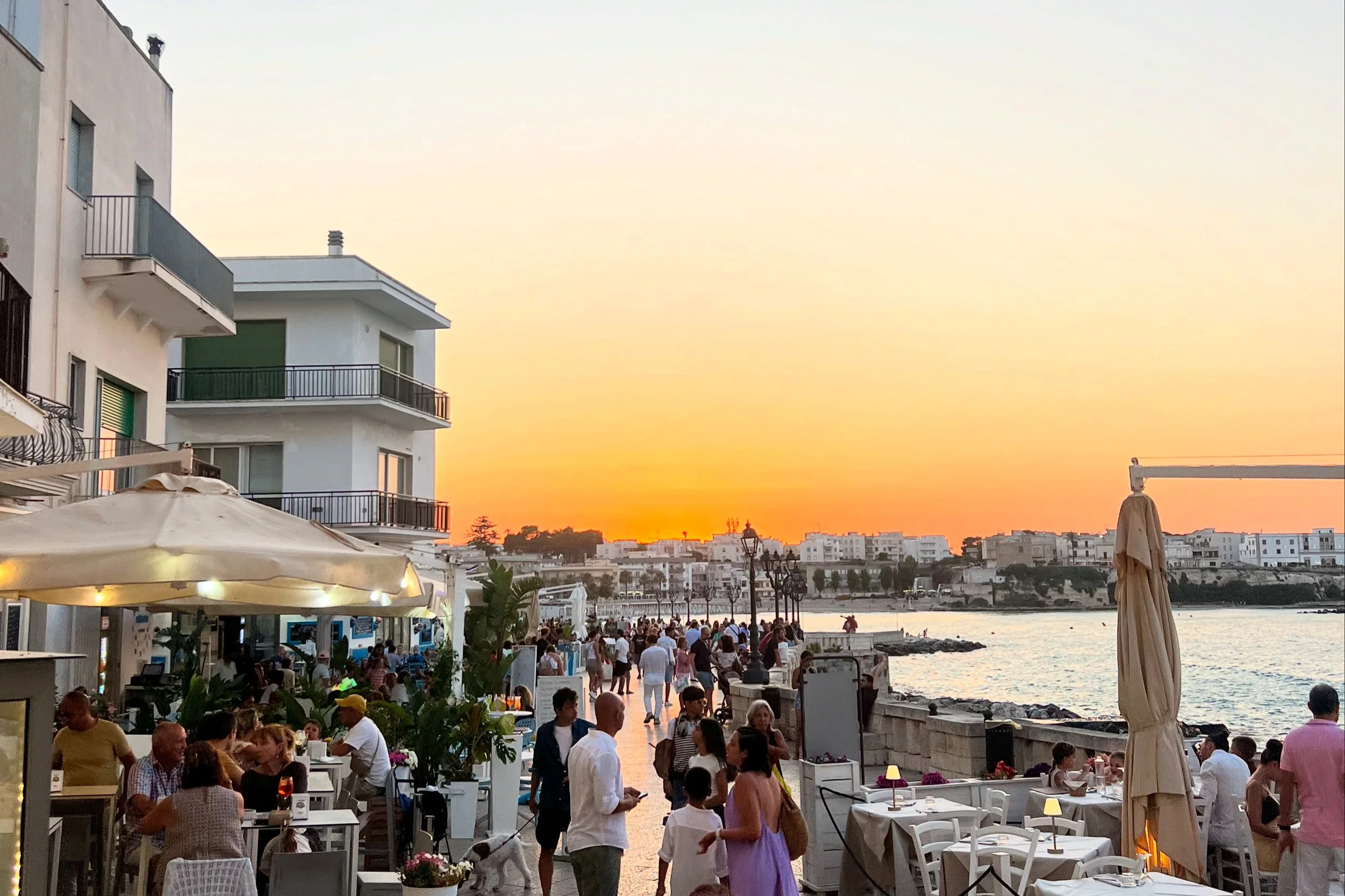
Otranto in southern Italy
The Real Question Beneath the Move
Moving to southern Italy isn’t about escaping life. It’s really more about choosing a version of it that feels sustainable.
If you’re asking this question in 2026, chances are something in your current setup feels too loud, too fast, or too rigid. A life in southern Italy won’t solve everything, but for the right people, it creates space for life to feel more liveable again.
If You’re Considering the Move Seriously
Relocating to Italy reshapes more than your address. It affects your legal status, finances, healthcare access and daily systems all at once.
If you want structured support navigating those decisions — especially if you’re considering southern Italy or Salento as your base — you can explore relocation support with Stef. Get in touch.