
Why Australians Are Choosing to Move to Italy

Italy was always the holiday. The reward. The place you visited after life happened.
Lately, that story has quietly changed.
More Australians aren’t just dreaming about Italy anymore. They’re seriously asking how to move to Italy, not for a gap year or a long holiday but for real life. For Monday mornings. For grocery shopping. For becoming part of a place instead of just passing through it.
And once you start listening to their reasons, it all makes sense.
Why So Many Australians Want to Move to Italy for a Lifestyle Reset
Life in Australia can be full, successful and still feel relentlessly fast. Long work hours. Commuting. Constant productivity. Always moving, always planning, always rushing ahead.
Italy offers a different rhythm.
Here, daily life still revolves around small rituals: morning coffee at the bar, long lunches, evening passeggiata, Sunday family lunches of pasta fresca. Time stretches differently. Not slower in a lazy way but slower in a human way. You’re allowed to linger. To be present. To have afternoon naps. To live your life where it actually happens, not just in the gaps between obligations.
For many Australians choosing to move to Italy, that shift alone feels like breathing again.
The Cost of Living in Southern Italy Compared to Australia
One of the biggest surprises for people dreaming about making the move? Italy isn’t expensive everywhere.
While cities like Milan, Florence, and Rome come with big price tags, southern Italy tells a very different story. Regions like Puglia, Sicily, Calabria, and parts of Abruzzo offer:
Lower rent
More affordable property
Cheaper groceries and everyday items
Lower overall living costs
It’s not unusual for Australians to discover they can live more simply and more comfortably in parts of southern Italy than they could in many Australian cities - particularly if you’re coming from Melbourne or Sydney.
That doesn’t mean life is “cheap”. Moving countries always comes with costs and some things are more expensive than others, but the idea that Italy is only for the rich quietly dissolves once you look beyond the postcard cities.
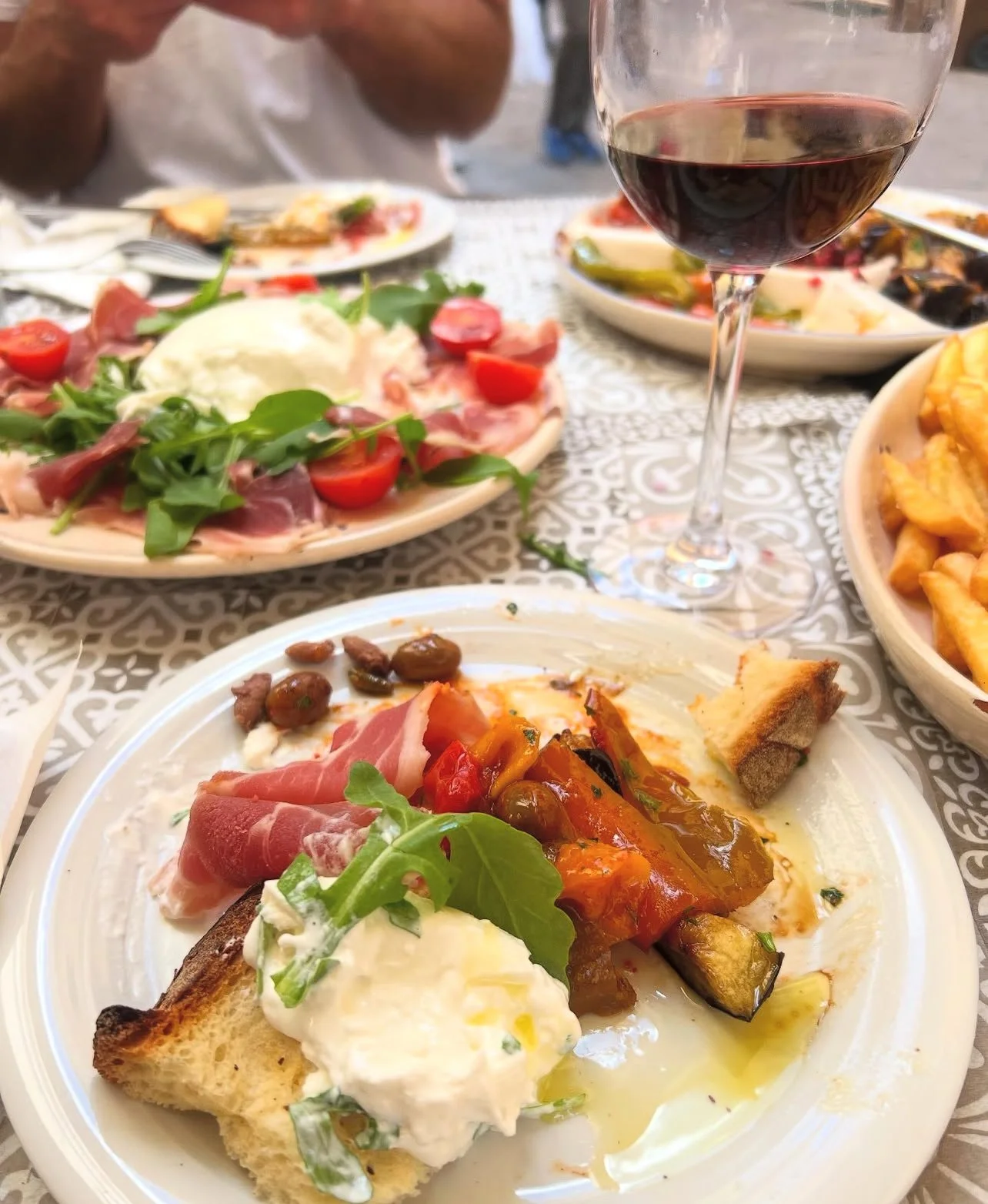
Delicious share-style eating from Remida in Lecce
Food that changes the way you live
Australians love good food. But Italy doesn’t just serve food, it honestly reshapes your relationship with it. And date an Italian and that will take it even further! You’ll stop going to the supermarket and start learning the rhythm of your local bakery, butcher and produce market. You sit down. You taste your food. You talk while you eat.
I’ve started to cook a lot more while I’m here and experiment with different ingredients. Yes, it takes a little bit of time to adapt to the fact it’s hard to find brown sugar and you can’t get vegemite, but you adjust.
When you move to Italy, food stops being a rushed necessity and becomes a cornerstone of daily life. Meals become moments again, not something squeezed between emails. And somehow, without trying too hard, people often find they:
Waste less
Eat better
Feel more connected to their days
Walkable towns and a daily life on foot
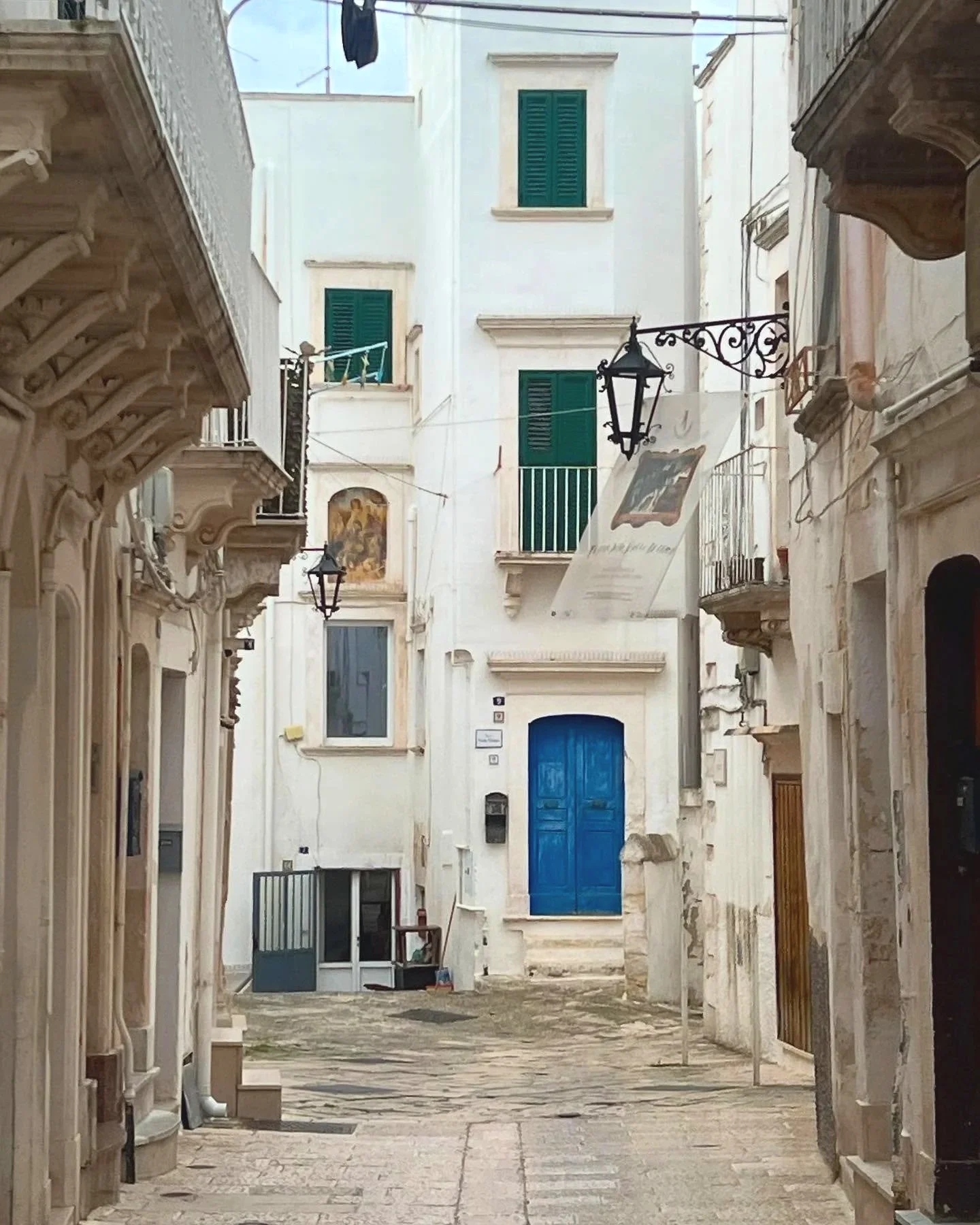
Martina Franca
Another reason so many Australians are choosing to move to Italy is something deceptively simple
In many Italian towns and cities, you don’t need a car to live your life. You walk to:
The café
The pharmacy
The fruit shop
The bakery
The piazza
Life unfolds at street level. You see the same people each day. You exchange small greetings. You slowly become part of the fabric of a place. For Australians used to long drives and wide distances, this closeness can feel quietly transformative. Your world becomes smaller, but richer.
I’d say you’ll be healthier because of this too, but it really depends how many pastries you consume for breakfast. I think for the first 4 months of me arriving in Salento, I ate pastries for breakfast.
Family culture and belonging
Italy still places enormous value on family, community, and shared time. Even if you arrive on your own, you’ll notice it everywhere: grandparents with grandchildren in the piazza, multi-generational lunches, neighbours checking in on one another. You’ll see children out at 10pm or sitting at restaurant to eat with their parents.
How Australians Can Legally Move to Italy: Visa & Residency Options
This is the practical question that always follows the dream and there are several real pathways Australians use to move to Italy, depending on their circumstances:
Elective Residency Visa – for those with passive income or savings. You can’t work in Italy if you arrive on this Visa and must be self-sufficient.
Student Visas – for language study or education, but if you’re coming here to study Italian, you must already have B1 level Italian.
Work Visas – more complex but possible in specific cases
Dual Citizenship by Descent – an increasingly popular path for Australians with Italian heritage. This is what I did!
Digital Nomad Visa – perfect for remote workers who have a steady income and work in a specialised area. I got this Visa as back-up just in case my citizenship fell through and highly recommend it.
None of these paths are instant. None are effortless. But they are real, legal, and being used every day by Australians who once thought the dream was impossible.
The biggest shift is moving from “one day” thinking to “how would this actually work?”
My own pathway between Australia and Italy
My story with Italy didn’t begin with a grand master plan. It began with a feeling I couldn’t shake. A pull toward a life that felt richer, slower, and more aligned with who I really was becoming.
That journey resulted in Italy & Back, a space born from living between two worlds and helping others imagine what their own Italian chapter could look like. Not just through glossy travel moments, but through real life: the paperwork, the culture shock, the beauty, the doubts, the rewards.
The truth is, moving to Italy isn’t about chasing perfection. It’s about choosing a different version of life and being courageous enough to learn your way into it.
If you’ve been thinking about it..
If the idea to move to Italy has been sitting quietly in the back of your mind, returning again and again, there may be a reason for that. You don’t need to have everything figured out. You only need to be willing to start asking better questions.
Want to chat through some possibilities?
I help English Speakers find their feet in Salento — from visas to neighbourhoods to settling in.
Get in touch to find out more. Get in touch?