
How to Move to Salento From Abroad (A Practical 2026 Guide)
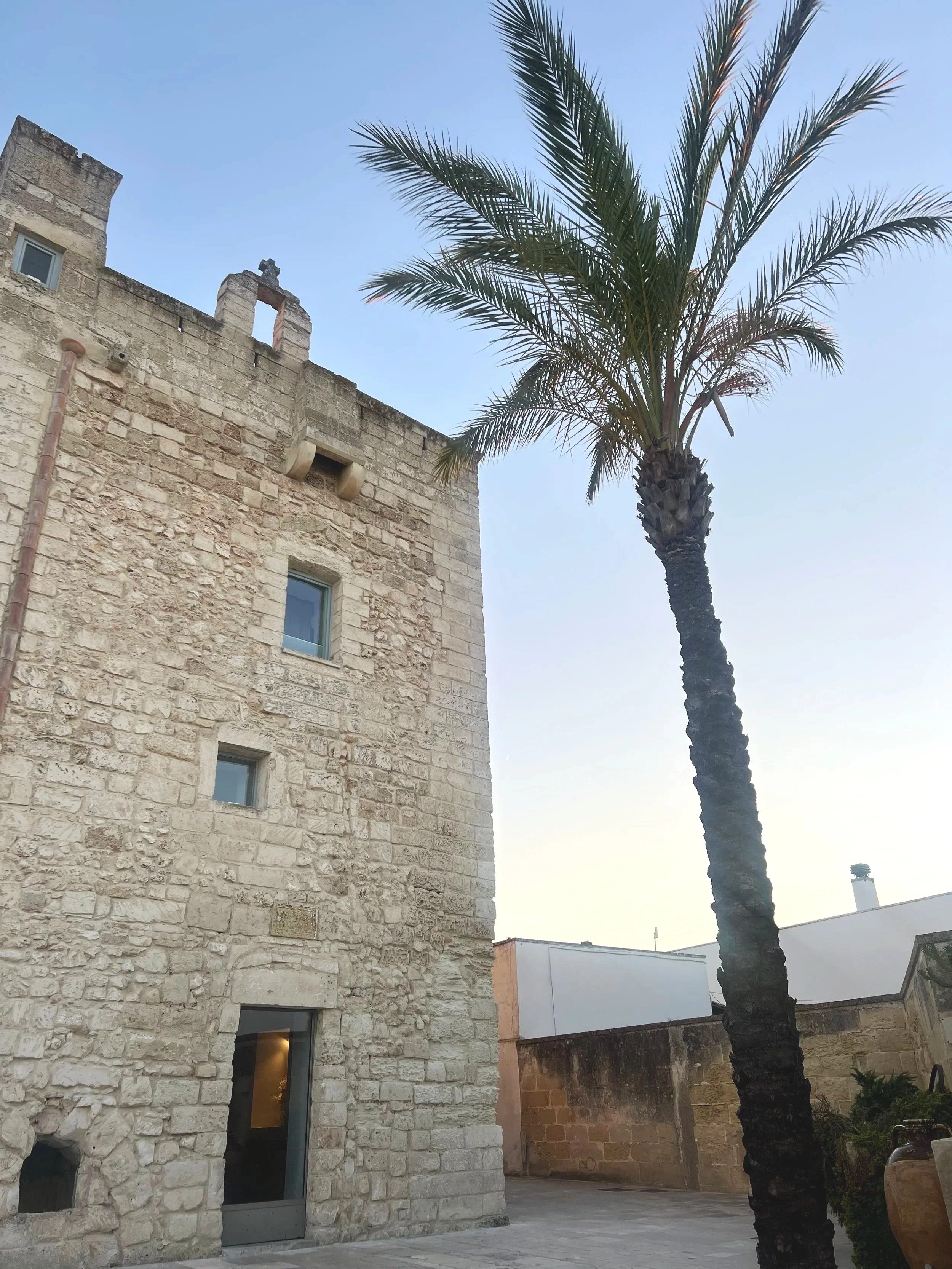
Are you planning a move to southern Italy, or are you flirting with the idea at 1am because your life feels too loud, too fast or too boxed in?
There is no judgement either way. Most people start with curiosity long before commitment. A holiday. A photo. A break-up.... A conversation that lingers longer than expected.
Salento tends to do that to people. It slides into your thinking quietly and then refuses to leave.
But turning “what if” into an actual relocation is where fantasy drops away and logistics take over. That is the part most glossy articles skip. This guide exists for that gap between the dream and the decision.
Why Salento and not someone else in Italy
People assume Salento wins on beauty alone. The coastline helps, obviously and the trademark sandstone gold buildings. But that is not what makes people stay.
What keeps drawing people back is that Salento still feels functional at human scale. Towns are walkable. Costs still make sense. Most places are lived in first and toured second. Daily life happens at normal volume.
It is not curated. It is not polished by any means. Trust me when I say you’ll need to swap your stilettos for block heels.
If you love Tuscany and Como because they’re postcard perfect, you may find Salento a little rough around the edges, but if you love places that still belong to the people who live there, you might feel at home very quickly.
Yes, you can move here as a foreigner, but the order matters.
This is where most relocations quietly unravel.
You can absolutely move to Salento from abroad. Thousands of people do. What you cannot do safely is improvise your legal status after arrival and hope the system will bend around your intentions.
If you are an EU citizen, your path is relatively straightforward. If you are not, everything starts with your visa or your path to citizenship (which is not afforded to everyone, sadly). Not your rental. Not your shipping. Not your Instagram announcement.
Your visa decides:
How long you can stay
Whether you can work
How you access healthcare
How stable your residency will be
Get that wrong and everything downstream becomes fragile.
Visas are not just paperwork - they shape your new life
Different visas create very different versions of Italy.
The elective residency route suits people who live on savings or passive income. It is peaceful. It is stable. It also closes the door to employment inside Italy.
Digital Nomad Visas suit people whose income exists elsewhere. These require clean structures and patience with documentation.
Student routes are flexible but temporary by design and you need at least B1 level English if you’re studying Italian.
There is no best option. There is only the one that fits your real life without forcing constant workarounds. We have this trusty guide to Italian visas for Australians here.
What it actually costs to live in Salento
Here is the part everyone wants to know, without the sugar coating. Yes, Salento is cheaper than Rome, Milan or Florence. No, it is not magically cheap once you live like a long-term resident.
Rent stabilises once you are on a proper lease. Utilities behave until summer air-conditioning arrives, which in my opinion is a non-negotiable in southern Italy. Groceries remain one of the most consistent pleasures in daily budgeting. Eating out stops feeling like a decision that requires justification.
What surprises people most is not that life costs less. It is that expenses become more predictable. Seasonal tourism spikes prices for visitors, not residents.
If you’re coming from somewhere like Australia (like me), your money won’t go as far as if you’re coming from the US. This makes Salento even more of a realistic choice because once you do the conversions, it ends up being slightly more affordable than a city like Melbourne or Sydney – and MUCH less expensive than rent. I basically halved my rent and doubled my floorplan when I arrived. Read more on the cost of living in Salento here.
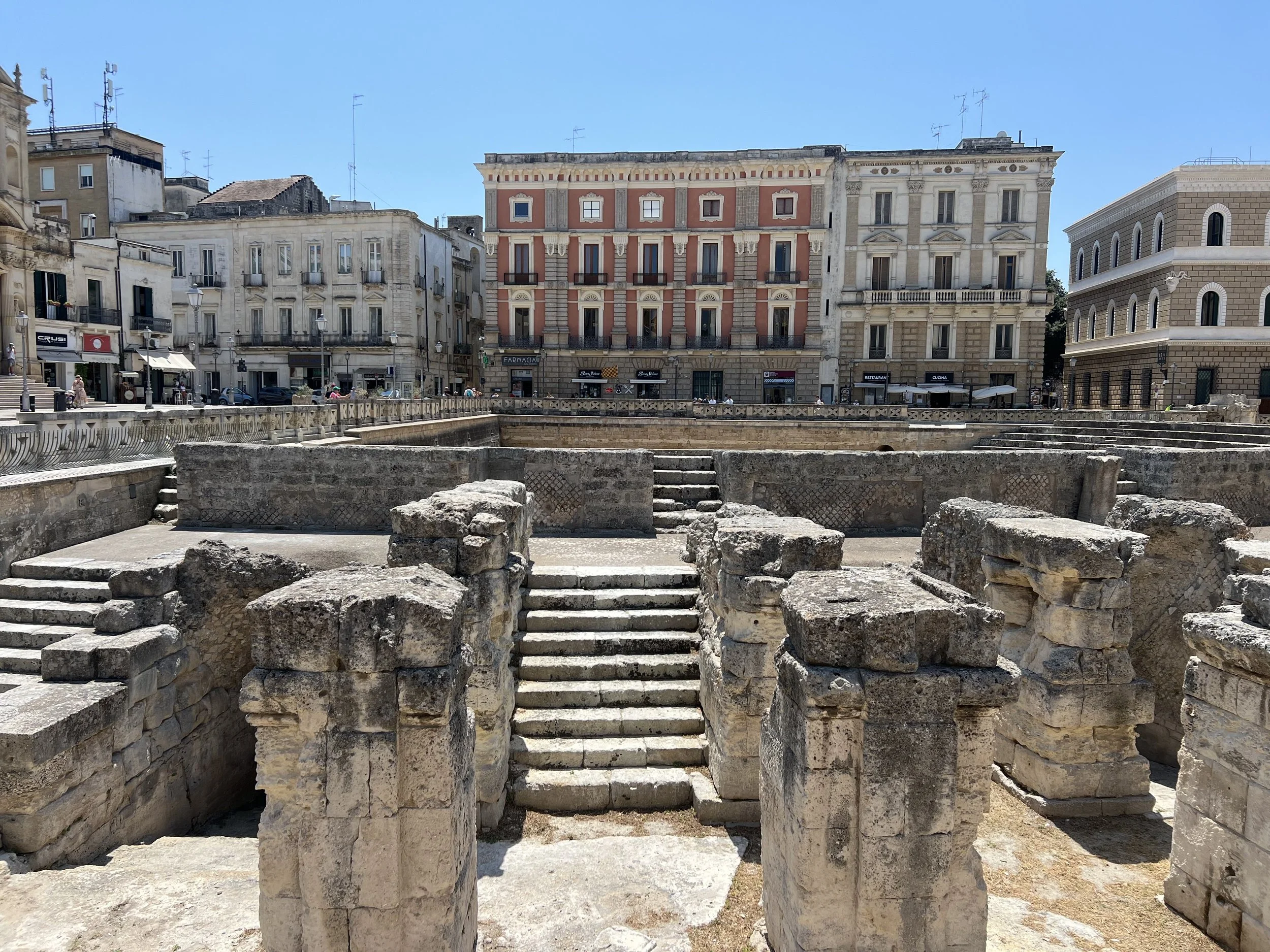
Lecce centro storico
Where people actually end up living
Lecce is the only place in Salento that genuinely feels like a city. It has pace. There is always somewhere to be, someone to bump into, a bar open that you did not plan to end up in. It suits people who like their lives to overlap a little. Work, friends, errands, aperitivo. Everything spills into everything else.
Otranto is for people who fall hard for the sea and are willing to accept what that love affair costs. Winters are quiet. Summers are chaos. You trade convenience for beauty and spend the rest of your time pretending that was always the plan.
Galatina is for people who are not trying to perform their Italian life. You live properly there. You run errands. You know the same faces. Days look ordinary in the best possible way. It is not symbolic. It is just life.
Ostuni draws people who want southern Italy with training wheels. It is beautiful in an obvious way. International in a comforting way. And priced accordingly. You are buffered from the rougher edges of the wider area, for better or worse.
And this is the part that matters most. Salento is not one lifestyle. It is not even close. It is a patchwork of very different rhythms and you only discover which one fits once you are inside it.
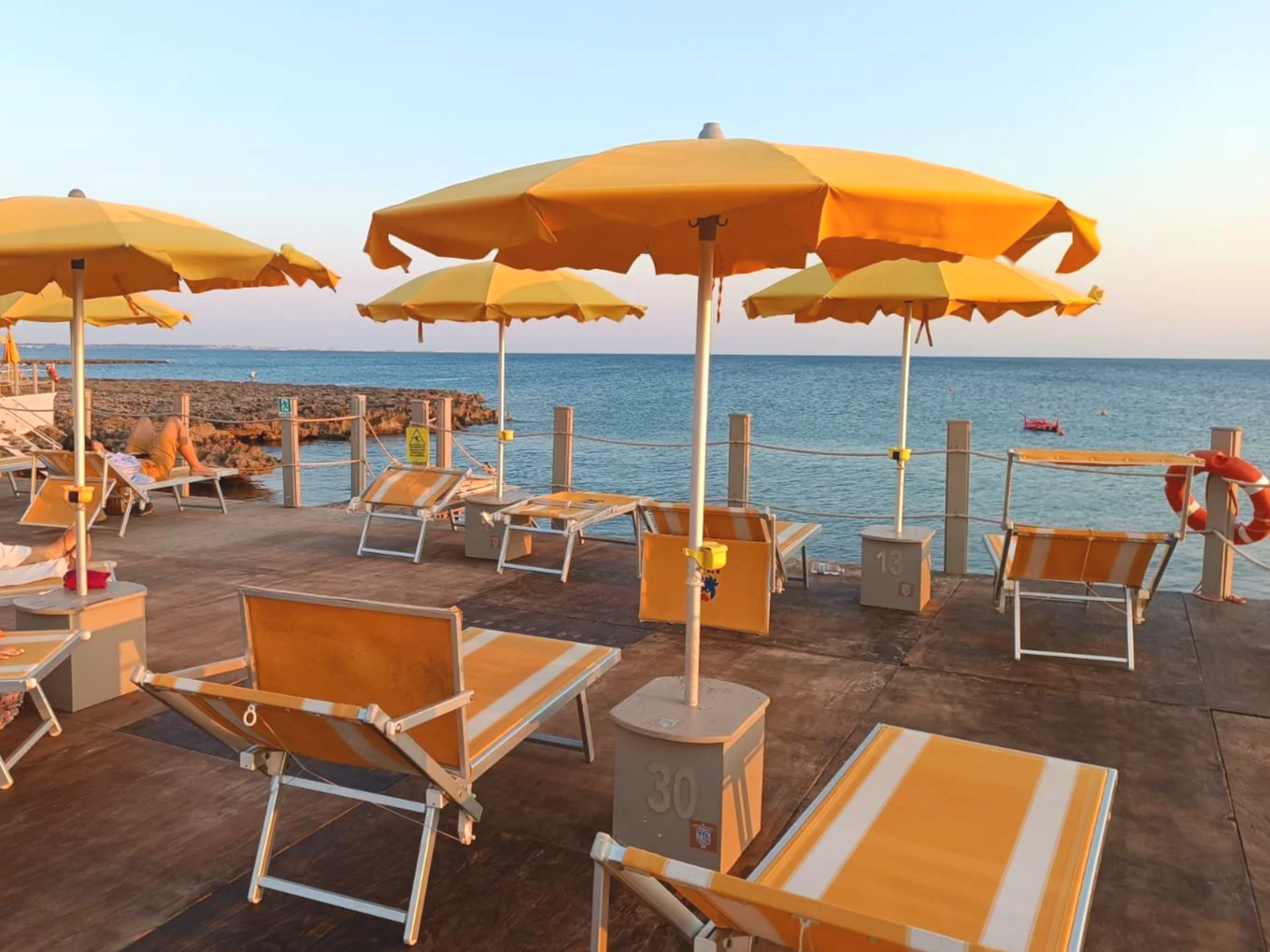
One of Salento’s beautiful beach clubs
Healthcare is less dramatic than people expect
Italy does not gate healthcare behind employer status in the way many countries do. Once you are legally resident, pathways open.
Public healthcare is slow but thorough. Private healthcare is fast and rarely extortionate. Most long-term residents use a combination of both. This is probably a great improvement to those coming from the US, but a slight backstep for Aussies who are used to medicare.
The system is not perfect. It is, however, functional in a way that matters when your life is actually happening inside it.
The adjustment nobody warns you about
You will not instantly feel calmer. You will feel disoriented.
Time works differently here. Not in a poetic way. In a practical one. Some things move at speed. Others take weeks. The stress comes from expecting consistency where there is none.
You will slowly stop measuring success by output and start measuring it by friction. Fewer obstacles in a day becomes a win. Fewer mental resets becomes progress. This is where some people lean in and others quietly back away. And to be honest, the longer you’re here and the more you’ve overcome at the beginning, the easier it is. I had Valentina in my back pocket when I moved, and honestly I was far less stressed about things than a lot of the people around me who were navigating it on their own.
The questions everyone asks eventually
Can I work remotely?
Yes, the Digital Nomad Visa is the most common option for remote workers. I explain the full process in my guide to the Italy Digital Nomad Visa
Do I need to speak Italian?
You can survive without it. You will not belong without it. There are many Italian teachers in the region and you can opt for a one-month immersion program when you get here, like I did.
Can I buy property?
Foreign ownership is allowed and common. We can help you find your dream home in the region. It’s one of our add-on services.
Is it safe?
Very. In ways that only become obvious after you live here.
Is it good for families?
For families, schooling is often the single biggest deciding factor. Salento does not have the same range of international school options as major Italian cities. Many families choose local public schools and lean into immersion. Others travel further for bilingual alternatives. This decision shapes daily life more than most people expect and deserves careful planning.
Are there interesting things to do? Yes, absolutely. Salento and wider Puglia, is a very social region with regular events and activities - especially in the summer months but also through winter. If you’re looking for a curated food and wine experience, check out our Salento Experiences page where we can help organise everything from cooking classes to private dining and beach staays.
And, what about driving?
Most people end up driving in Salento sooner or later. Even if you start in a town like Lecce, real life stretches beyond walkable limits very quickly. Beaches, late dinners, inland villages, errands that do not follow bus timetables. Public transport exists, but it does not shape your day in the way a car does. In saying that it’s not something you need to consider straight away. I’ve been here 8 months and still haven’t gone down this path.
The truth about the move
The move does not happen when you land. It happens in stages.
First comes the legal shift. Then the financial one. Then the emotional one. The cultural part lags behind all of them.
Most of the real work happens before your suitcase ever hits Italian soil. The calmer that early phase is, the gentler your first year will feel.
People who rush the preparation often spend their first year untangling avoidable problems. People who take time upfront tend to arrive into something steadier.
One important clarification
This is a general guide to moving to Salento from abroad. Your exact process will still depend heavily on your passport.
Australians, Americans, UK citizens, Canadians and EU nationals all follow different legal pathways. Their timelines, documentation and rights vary more than most people expect.
If you’re Australian, I’ve outlined the full process and timelines for moving to Italy from Australia separately.
If you are seriously considering the move
Relocating to Italy is not just a geographical change. It reshapes your legal identity, your tax position, your healthcare access and your daily systems all at once.
If you want structured help with visas, housing and on-the-ground navigation in Salento, you can explore our relocation support here.