
Moving to Southern Italy
Support for English speakers considering life in southern Italy, with a focus on Salento and wider Puglia
Moving to southern Italy as a non-EU citizen looks different to a holiday.
This guide covers the practical reality: where people tend to base themselves, what it costs, what daily life is like, and the legal pathways people actually use (citizenship, visas, and residency options).
If you’re comparing regions or trying to sanity-check the idea before you spend money on lawyers or scouting trips, start here.
This page will help if you’re:
trying to work out whether southern Italy fits your lifestyle
comparing southern and northern Italy as places to live
considering Italy as a non-EU citizen
feeling unsure which visa or pathway might apply
Is moving to southern Italy right for you?

What does “southern Italy” really mean?
Many people explore southern Italy as a whole — not just Salento. If you’re curious about other southern regions or even beyond, we can help you understand how those options compare during a clarity call.
Southern Italy generally includes:
Puglia (Salento)
Sicily
Calabria
Basilicata
Campania
parts of Abruzzo & Molise
Each region differs, but all follow systems of daily life that contrast with northern Italy.
What it’s like day-to-day in southern Italy (beyond the highlight reel)
Southern Italy is very liveable, but it helps to understand what changes once you’re not a visitor.
Daily life runs on relationships, local routines and a slower rhythm than most Australians, Americans and Brits are used to.
Housing often means older buildings with quirks: humidity, heating differences, soundproofing, and occasional renovation work. Rent is often lower than the north, but it’s not always “easy”. The right lease, the right paperwork and realistic expectations do matter.
Bureaucracy is manageable, but it isn’t fast. Expect repeated requests for the same documents, different interpretations between offices and timelines that shift. This is why your legal pathway (citizenship vs visa) matters before you commit to housing or schooling decisions. Read more about the recent citizenship changes.
Language isn’t an all-or-nothing barrier — you can start without fluency — but you’ll need basic Italian for daily life and paperwork. Many people do best when they combine practical language learning with local support in the first months.
If you’re someone who values calm, community and a more grounded lifestyle, southern Italy can be a great fit. If you need speed, predictability and “systems that just work,” it can feel frustrating, at least at first.
Three practical realities about moving to southern Italy
Cost of living in southern Italy is lower, but not always simple
Southern Italy is often more affordable than the north, particularly for long-term rent and everyday life. In many areas of Puglia, Calabria and Sicily, housing costs can be significantly lower than in cities like Milan or Bologna.
But affordability can also depend on how you live.
Older properties can mean seasonal utility fluctuations, particularly heating. Renovations often cost more than expected without trusted local oversight. Bureaucracy can require multiple trips, certified documents and patience.
Southern Italy can absolutely offer a more sustainable lifestyle financially, but it works best when your income isn’t tied to the local job market.
→Cost of living in Salento, Puglia
→Guide to moving to Puglia
Visas and legal residency come before leases and lifestyle plans
Southern Italy doesn’t operate under a different immigration system. The same national rules apply here as anywhere else in Italy.
Most non-EU citizens relocate through one of the following:
Italian citizenship by descent
Elective Residency Visa
Digital Nomad Visa
Student visa (in some cases)
The pathway you qualify for determines everything that follows: lease structure, timeline, income requirements and residency registration.
Choosing your legal route first makes every other decision simpler.
→How to move to Italy: visas & timelines
Work in southern Italy: why portable income matters
While local employment exists, wages in southern Italy are generally lower than in northern regions. For that reason, most foreigners relocating long-term rely on portable income sources:
Remote employment
Self-employment or online business
Pension income
Savings or passive income
This isn’t about discouragement, it’s just about planning realistically.
Not sure how these realities apply to you?
A Clarity Call helps you map your income, visa options and preferred region before you commit to leases or relocation timelines.

Why Puglia (and Salento) are common landing points
While southern Italy includes Sicily, Calabria and Campania, many people researching moving to southern Italy eventually narrow their focus to Puglia.
Puglia — and Salento in particular — is often chosen because it offers:
lower living costs without isolation
established towns rather than seasonal resort bubbles
growing international communities
strong food culture and quality of life
generally smoother day-to-day bureaucracy than larger cities
For many non-EU citizens, moving to Puglia provides a balance between affordability, community and practicality. If you’re specifically considering relocating to Puglia, you can explore our full guide covering towns, costs and long-term realities below.
How To Italy & Back can help your move
To Italy & Back is a relocation agency supporting Australians, Americans and other non-EU citizens with moving to Italy, especially southern Italy and Salento.
For moves outside of Puglia, we continue to guide your legal pathway and work with trusted, vetted partners who provide on-the-ground settling-in support while we stay connected to your relocation journey.
Support includes:
visa pathway clarity
relocation planning
local guidance
settling in support
FAQs: Moving to Southern Italy
-
Yes. If you are not an EU passport holder, you must qualify for either Italian citizenship or an approved long-stay visa before relocating. Tourist stays do not allow residency registration or long-term settlement.
-
There is no single “easiest” option. The most common routes are citizenship by descent (if eligible), the Elective Residency Visa for those with passive income, and the Digital Nomad Visa for qualifying remote workers. The right choice depends on your income structure and personal circumstances.
-
Most people benefit from renting first. This allows time to understand neighbourhoods, bureaucracy, climate differences, and daily rhythms before committing to a purchase. Buying property alone does not grant residency rights.
-
In many cases, yes, depending on your nationality and reciprocity agreements. However, purchasing property does not automatically provide a visa or right to remain in Italy long term.
-
You can begin the relocation process with limited Italian, especially if you have support. However, daily life and bureaucracy will require at least functional Italian over time. Many people combine relocation with structured language learning.
-
Generally, yes. Crime rates vary by area as they do anywhere, but many towns are considered safe and community-oriented. Safety perceptions often improve once people understand local context and rhythms.
-
The pace and process of bureaucracy. Things take time. Flexibility and patience are essential, and having experienced guidance can reduce stress significantly.
-
Climate, infrastructure, airport access, international community presence, language familiarity and property stock all differ. A clarity call can help you compare regions realistically rather than romantically.

Learn about Visas
Understand the legal pathways, timelines and requirements for moving to Italy.
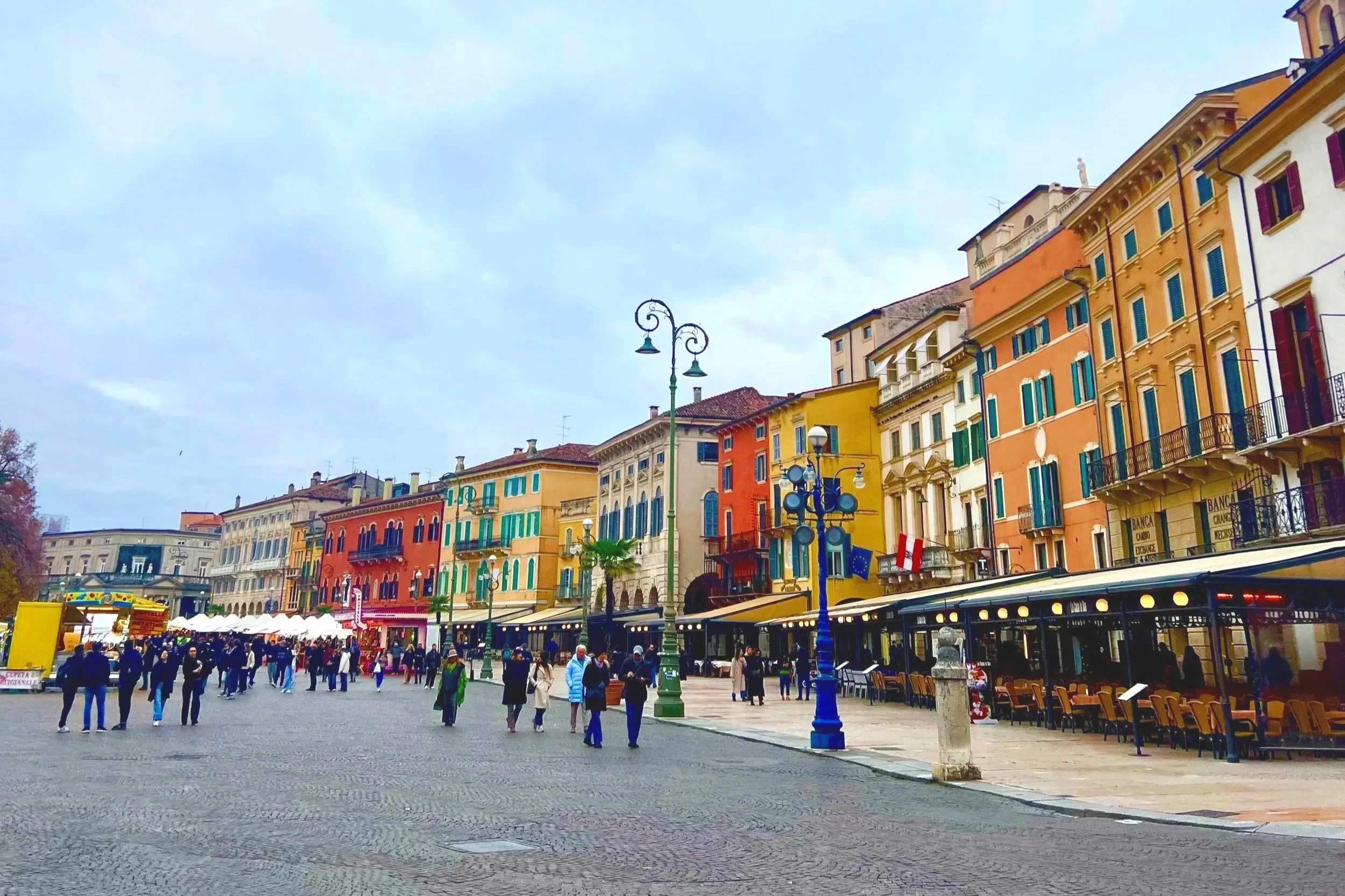
Compare Regions
Explore the differences between northern and southern Italy before choosing where to land.
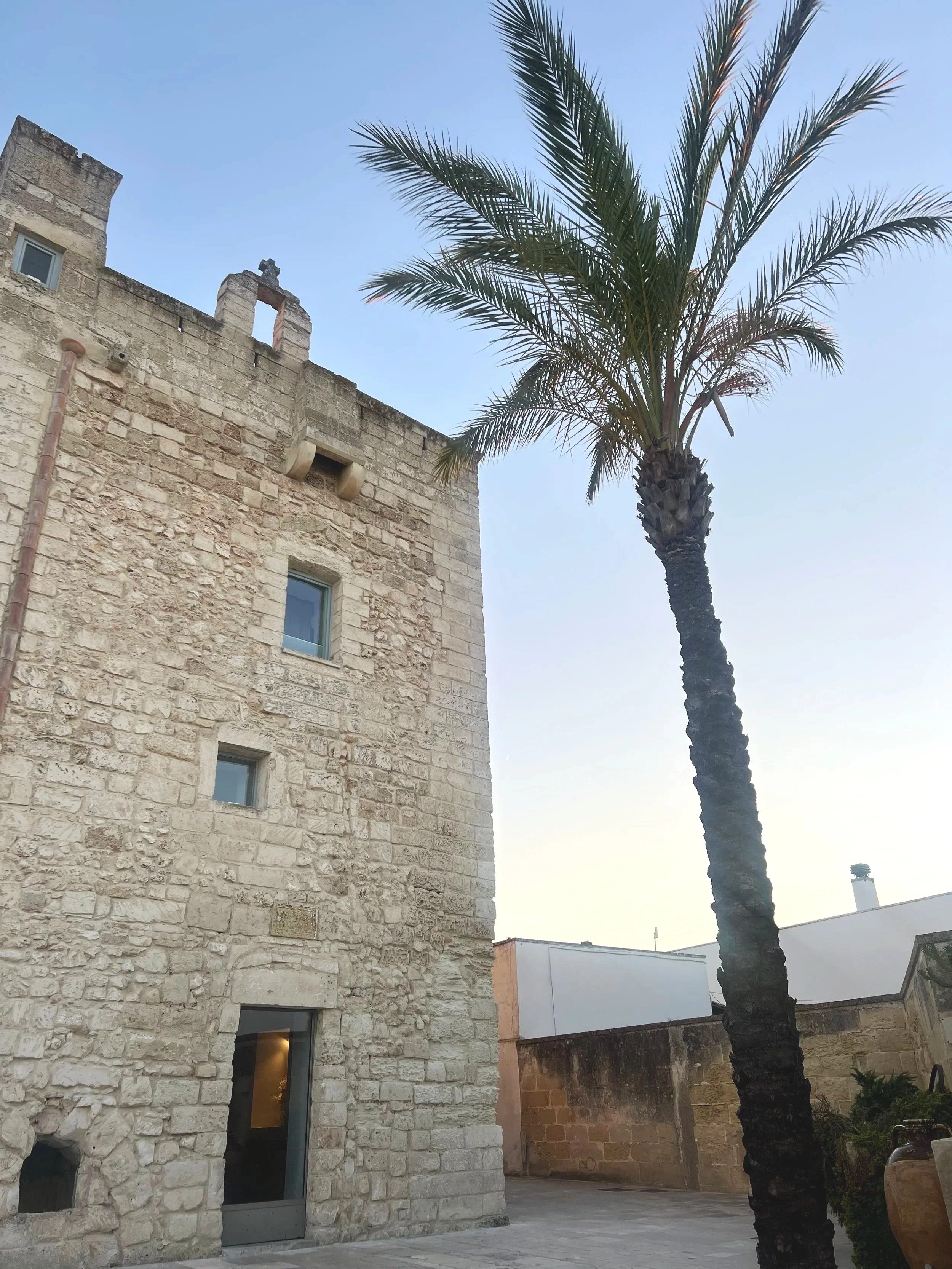
Explore Salento
A practical guide to relocating to Salento — housing, costs and daily life.

Start a Conversation
Get personal guidance on visas, relocation and
settling in.
If you’re considering this path..
You do not need to decide everything today. You don’t need all the answers yet.
If the idea of moving to southern Italy has been quietly persistent in you, that’s enough to pay attention to for now.
You’re welcome to read, reflect, and take your time with the question.
If you want to get clear on your best pathway (citizenship vs visa) and realistic timelines, a Clarity Call is the simplest next step.