
Moving to Puglia
A practical guide for non-EU citizens
Moving to Puglia isn’t a holiday extension. It’s a structural life decision.
This guide is designed for non-EU citizens seriously considering relocation to Puglia — not just dreaming about it. It covers what daily life is actually like, what it costs, how the legal pathways work… and where people tend to settle long-term.
*If you’re still comparing regions, you can start with our broader guide to moving to southern Italy before narrowing your focus to Puglia.
Why people are moving to Puglia
Puglia has shifted over the past decade from a “discovered” destination to a serious relocation region.
It offers:
Lower living costs than northern Italy
Established towns rather than isolated rural villages
Growing international communities (especially in Salento and Valle d’Itria)
Strong food culture and quality of life
A slower pace that appeals to midlife relocators and retirees
Manageable bureaucracy compared to larger metropolitan centres
But the real reason many people choose Puglia isn’t romance. It’s sustainability.
You can build a long-term life here, not just visit.
What Daily Life in Puglia Is Actually Like
Puglia is very liveable, but it requires adjustment.
Housing often means older properties with quirks:
Humidity
Seasonal heating differences
Renovation surprises
Sound transfer between apartments
Rent may be lower than Milan or Florence, but good leases require the right paperwork and expectations.
Bureaucracy is manageable but slow. Expect:
Multiple document requests
Different interpretations between offices
Timeline shifts
Patience
Italian language ability matters. You do not need fluency to begin, but you will need working Italian for paperwork, leases and daily tasks.
If you value predictability and speed, the first months can feel frustrating. If you value rhythm, relationships and community, it often feels grounding.
Cost of Living in Puglia (Realistic Ranges)
Puglia is generally more affordable than northern Italy, but cost depends heavily on location and property condition.
Long-Term Rent
In smaller towns, long-term rent may range between:
€500–€800 per month for modest apartments
€800–€1,500+ for renovated or larger properties
Tourist hotspots and coastal areas can be higher.
Utilities
Seasonal heating can cause winter spikes, particularly in older properties. Many homes rely on gas, pellet stoves or electric systems rather than central heating.
Groceries & Daily Living
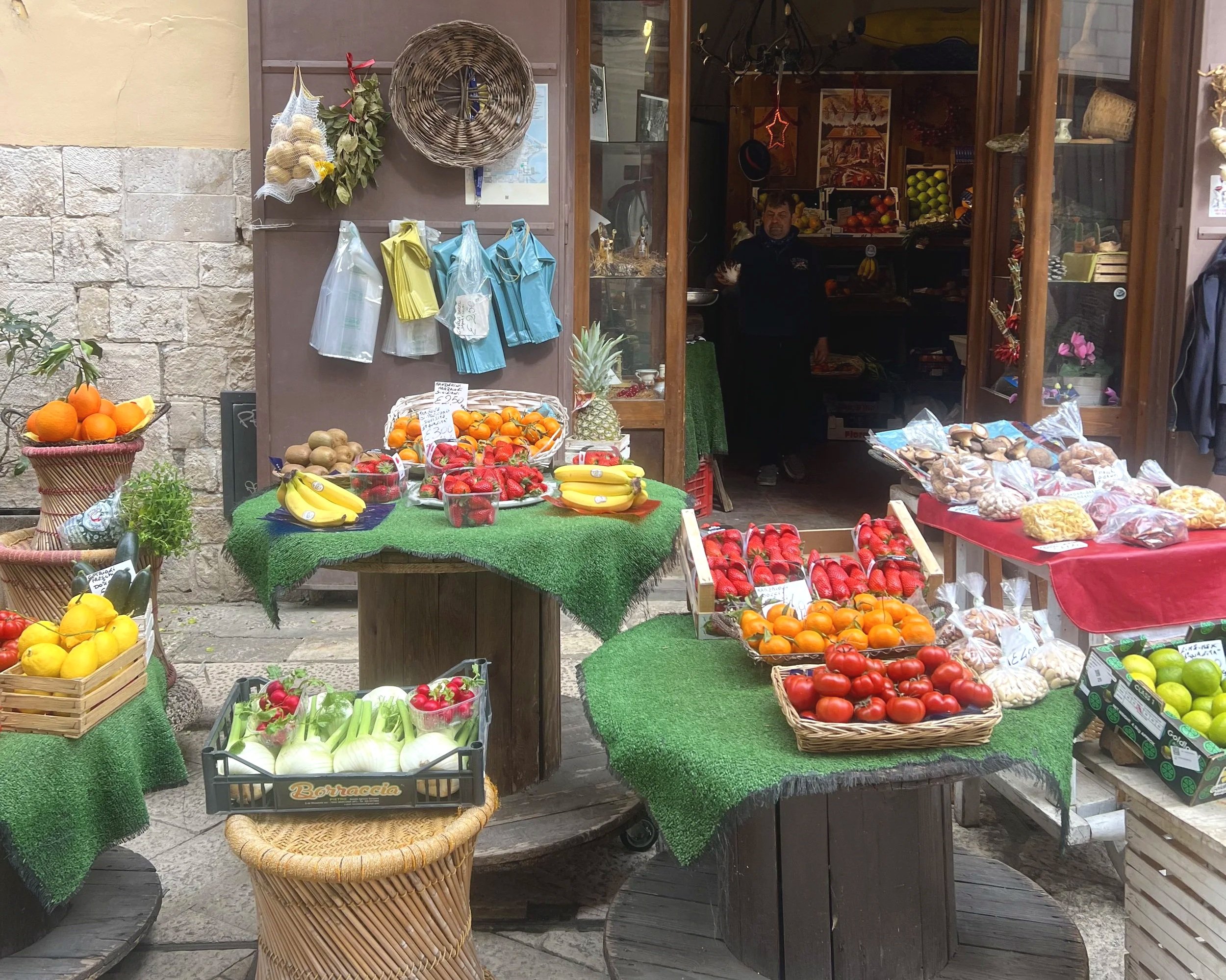
Food is typically affordable compared to Australia, the US or UK. Local produce markets significantly reduce costs.
Renovation Costs
Renovations often exceed initial expectations without trusted oversight. This is one reason many relocators rent first before buying.
Puglia can offer a financially sustainable lifestyle — especially if your income is not tied to the local job market.
For a broader comparison, you can explore the cost differences between northern and southern Italy here.
Work in Puglia: Why Portable Income Matters
Local employment exists, but wages in Puglia are generally lower than in northern regions.
Most non-EU citizens relocating long-term rely on:
Remote employment
Self-employment or online business
Pension income
Savings or passive income
Relocating with portable income removes pressure and makes the adjustment significantly smoother.

Legal Pathways for Moving to Puglia
Puglia does not operate under a separate immigration system. National Italian rules apply. Most non-EU citizens relocate through one of the following:
Italian Citizenship by Descent - If eligible, this provides the most secure long-term solution.
Elective Residency Visa (ERV) - For individuals with stable passive income.
Digital Nomad Visa - For remote workers earning above income thresholds.
Student Visa (in limited circumstances)
Your legal pathway determines:
Timeline
Income thresholds
Lease structure
Residency registration process
Whether family members can join you
Choosing your legal route first simplifies every other decision.
You can read a full breakdown of Italian visas and timelines here before deciding which route fits your situation.
Where to Live in Puglia
Puglia is diverse. The right base depends on your lifestyle, income structure and long-term plan.
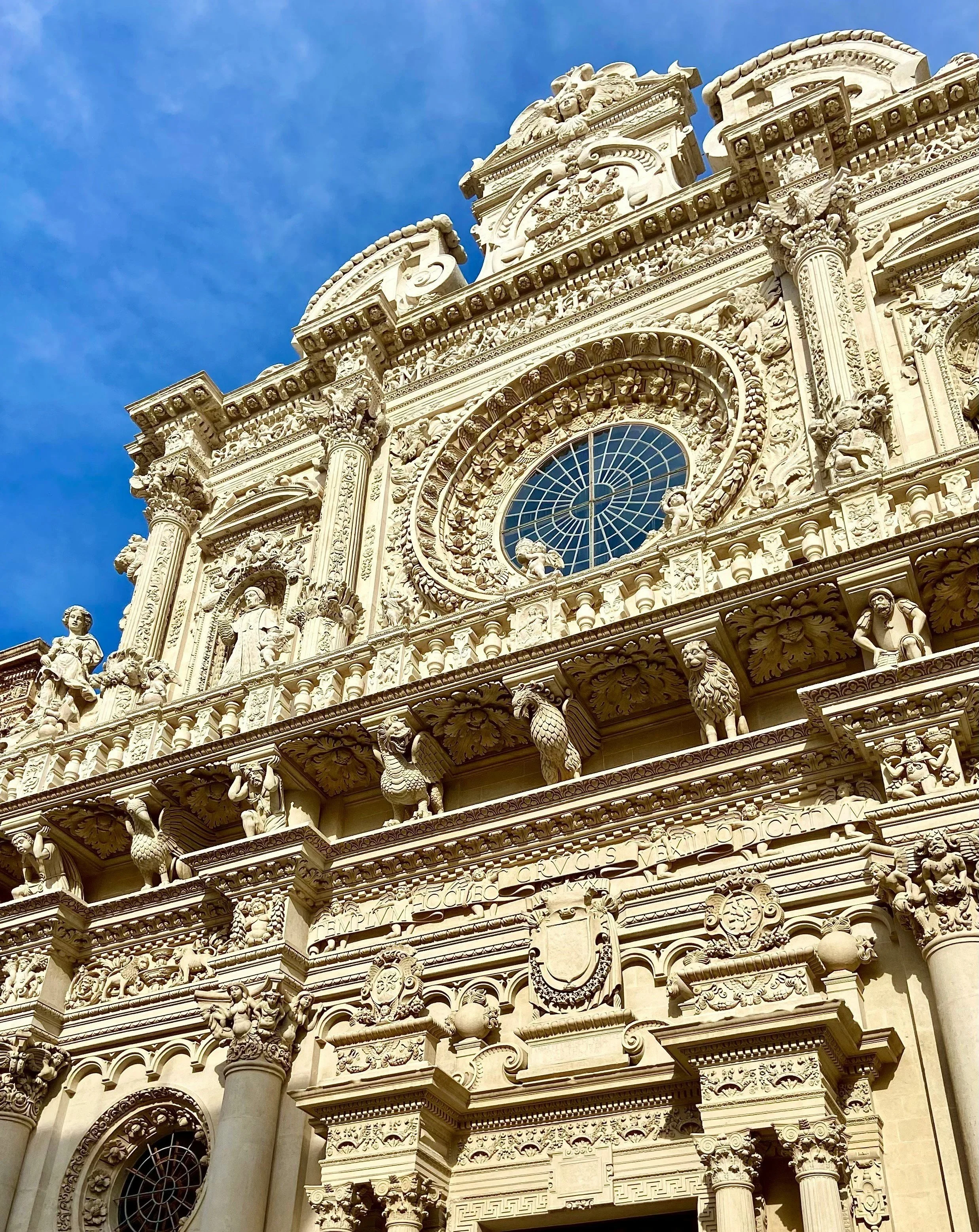
Salento (Lecce, Nardò, Otranto and surrounding towns) - Year-round towns, growing international community, strong cultural identity, manageable scale.
Bari - Urban, connected, more infrastructure. Suits professionals who want city energy.
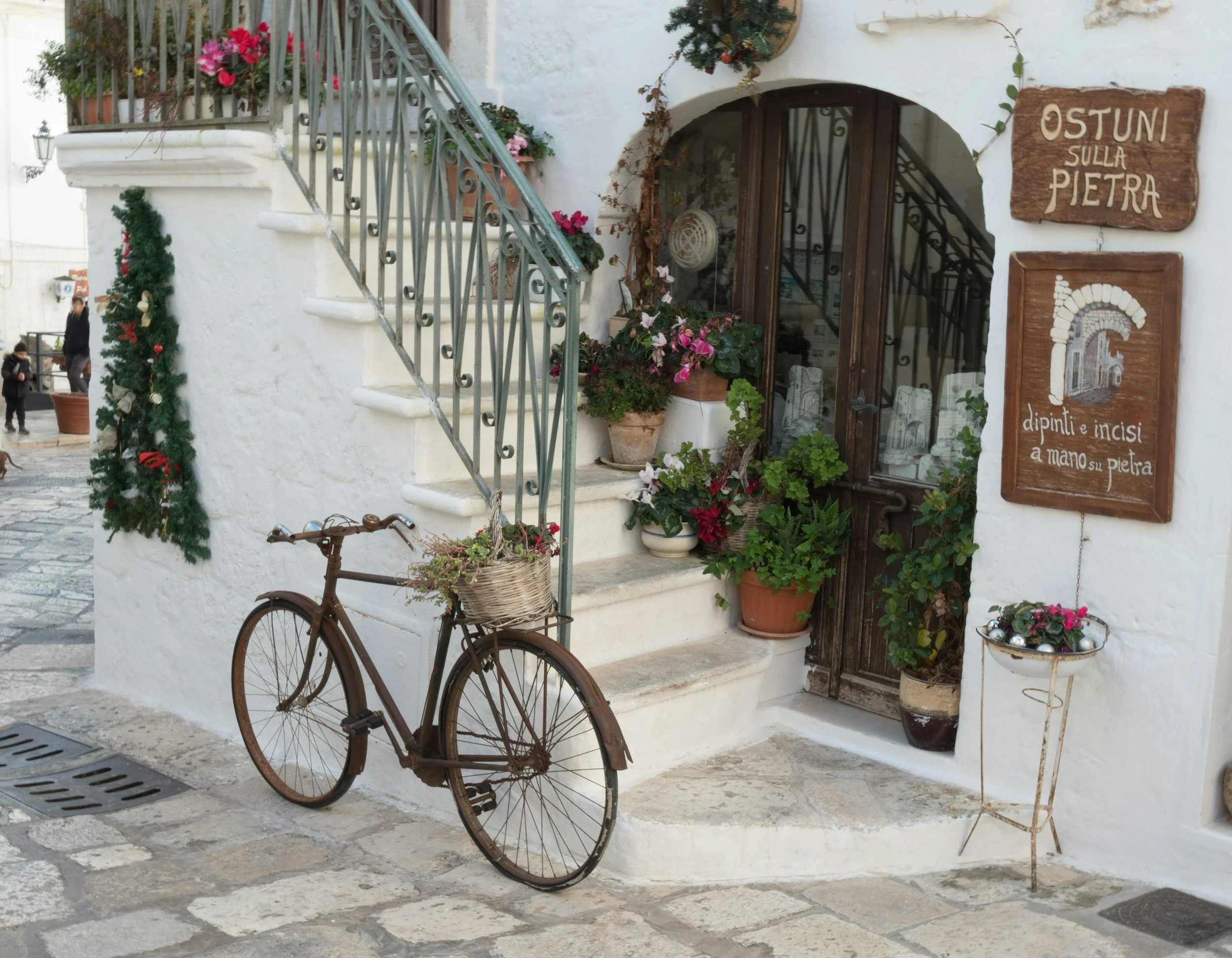
Valle d’Itria (Ostuni, Martina Franca, Cisternino) - Scenic, highly sought-after, increasingly international.
Gargano - More rural and seasonal. Strong nature appeal.
Read more about where to live in Puglia via our Living in Puglia Guide.
Why Many Long-Term Relocations Settle in Salento
While people often begin by researching “moving to Puglia,” many eventually narrow their focus to Salento.
Salento offers:
Established towns rather than seasonal resort bubbles
Lower cost of living without isolation
Walkable historic centres
Increasing international presence
Strong food culture
Administrative systems that tend to feel more navigable than larger cities
For many non-EU citizens, Salento provides a balance between affordability, community and practicality.
This is also where To Italy & Back is based — with on-the-ground relocation support. You can read our detailed guide to moving to Salento from abroad if you’re considering this area specifically.
FAQs: Moving to Puglia
-
Yes, in most cases non-EU citizens can purchase property in Italy. However, property ownership does not grant residency rights. Your visa or citizenship pathway must be established separately.
-
Puglia is generally considered safe.
Like anywhere, urban areas require standard awareness, but violent crime rates are relatively low compared to many international cities. Safety concerns for relocators are rarely the primary challenge. Adjustment and bureaucracy are.
-
You can begin without fluency.
But you will need:
Basic conversational ability
Administrative vocabulary
Confidence navigating paperwork
The more language support you build early, the smoother your integration becomes.
-
Securing housing before confirming legal pathway
Underestimating bureaucracy timelines
Buying property too quickly
Assuming English will be sufficient
Expecting northern Italian efficiency
Planning realistically avoids most of these issues.
-
Puglia suits people who:
Value lifestyle over speed
Have portable income
Are open to learning Italian
Prefer community scale over large cities
Can tolerate slower administrative systems
It can feel frustrating for those needing rapid processes and rigid structure.
Clarity around expectations makes the difference.
-
Most long-term relocators rent first.
Buying property in Italy without understanding:
local bureaucracy
renovation standards
planning permissions
tax implications
and utility realities
can create avoidable stress.
Renting first allows:
Testing location
Understanding seasons
Establishing residency
Observing local rhythm
Property purchases tend to work best after at least one year living locally.
Want to find out if Puglia is the right
fit for you?
A Clarity Call can help you map out:
which legal pathway genuinely applies to you
where in Puglia makes sense for you
the answers to many of your questions
Letters from Salento blog
Learn about Visas
Understand the legal pathways, timelines and requirements for moving to Italy.
Compare Regions
Explore the differences between northern and southern Italy before choosing.
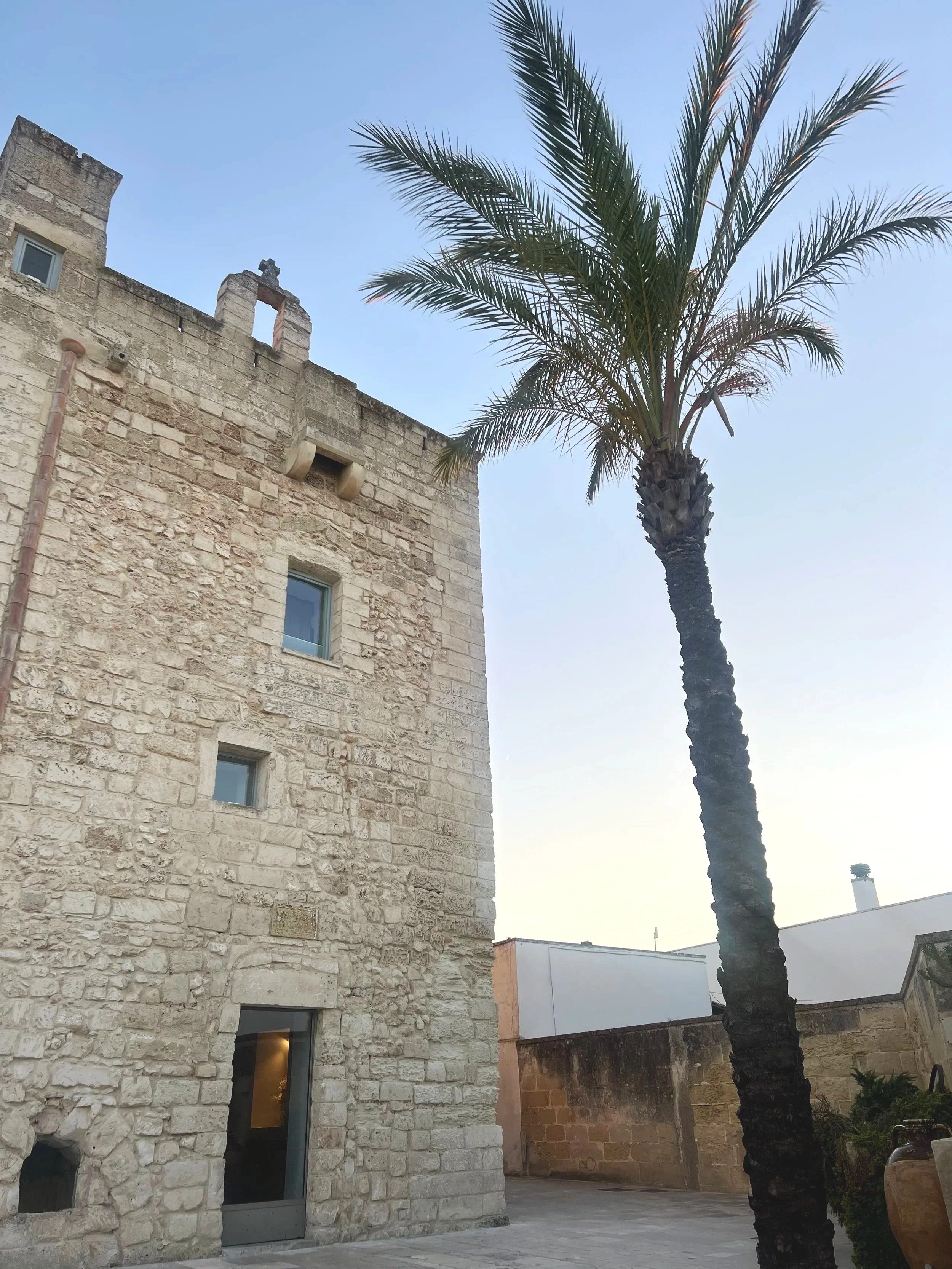
Explore Salento
A practical guide to relocating to Salento — housing, costs and daily life.

Start a Conversation
Get personal guidance on visas, relocation and settling in.